
We’re Overlooking One of the Most Prepared Talent Pipelines in the Workforce: Student Athletes
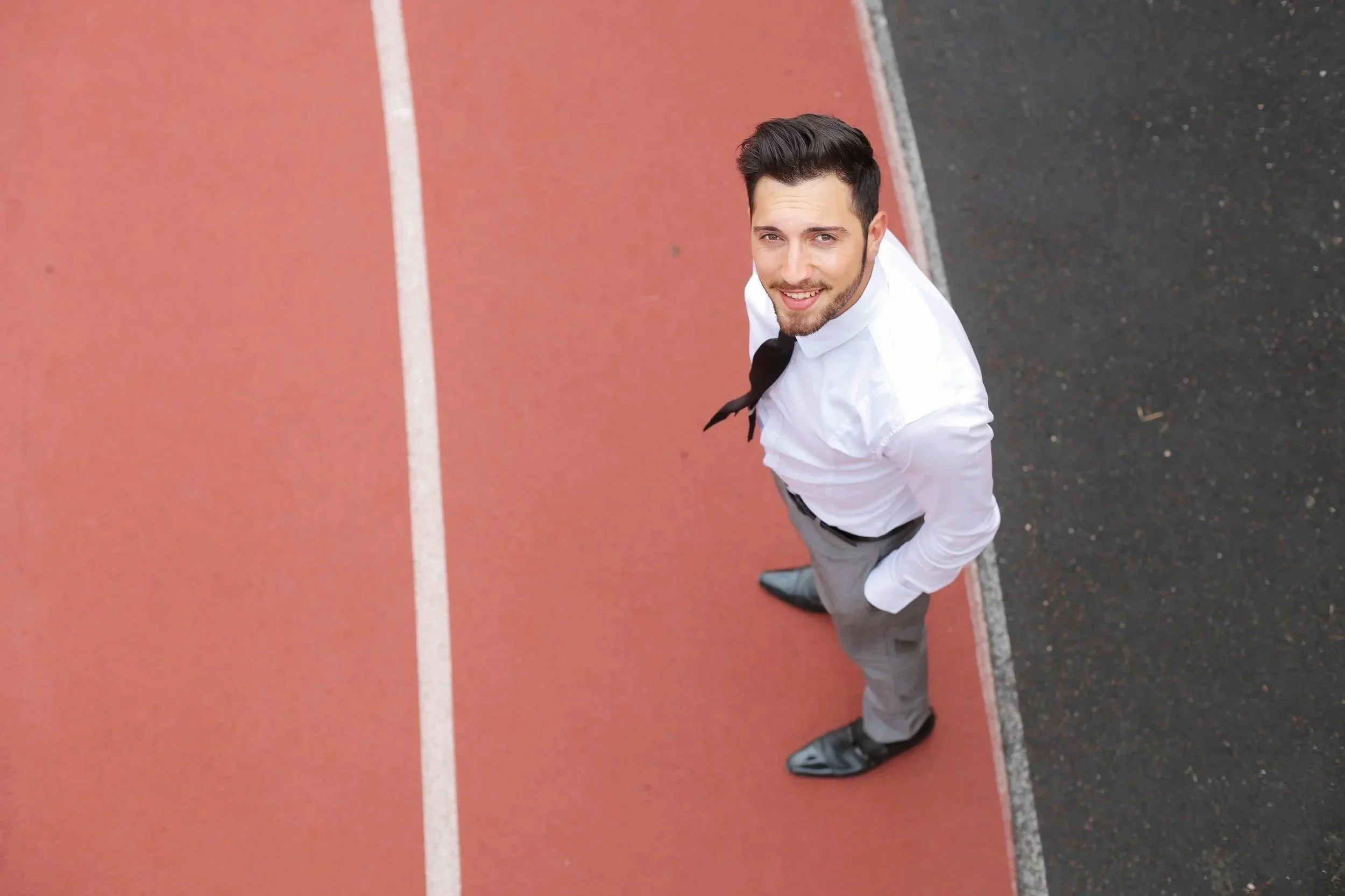
Student-athletes develop elite skills in leadership and performance, yet systemic gaps leave many underprepared to transition into meaningful careers
The Student Athlete Gap
College athletics has never demanded more of student-athletes. The irony is that when the game ends, too many are left unprepared for what comes next.
As a former Division I basketball player at American University, I experienced this gap firsthand. I devoted nearly all of my time and energy to my sport, leaving little room for career preparation. When eligibility ended, I had no resume, no clear way to translate my experience into a professional narrative, and no direction on where to begin. I didn’t even own interview-appropriate clothing, so I borrowed slacks from friends and pieced together an understanding of what “professional” was supposed to look like.
“Fewer than 2% of NCAA athletes go on to play professionally, yet many spend the majority of their college experience preparing as if they will.”
THE CHALLENGE
In conversations with other athletes, I’ve seen how consistent this gap is.
Madison, who graduated from American University after her Division I basketball career, described a reality common across many institutions. Athletics built the very skills employers say they want, discipline, resilience, and the ability to perform under pressure, yet as her senior year ended, she felt unprepared for the professional world.
With limited internship experience and no clear roadmap for translating her athletic background into a professional narrative, the transition was difficult.
The shift was not just logistical but deeply personal, requiring her to redefine her identity, purpose, and direction beyond sport. Over time, she has begun channeling that same competitive drive into building a career.
In those same conversations, Logan, a current football player at the University of Mary Hardin–Baylor, described experiencing this tension in real time.
Being a student-athlete has developed discipline, time management, and the ability to perform under pressure, the very skills employers consistently say they value. Yet he still feels only “somewhat” prepared to enter the workforce.
He is still building experience in networking, interviewing, and professional environments and does not feel that many existing resources are fully tailored to the realities of student-athlete schedules.
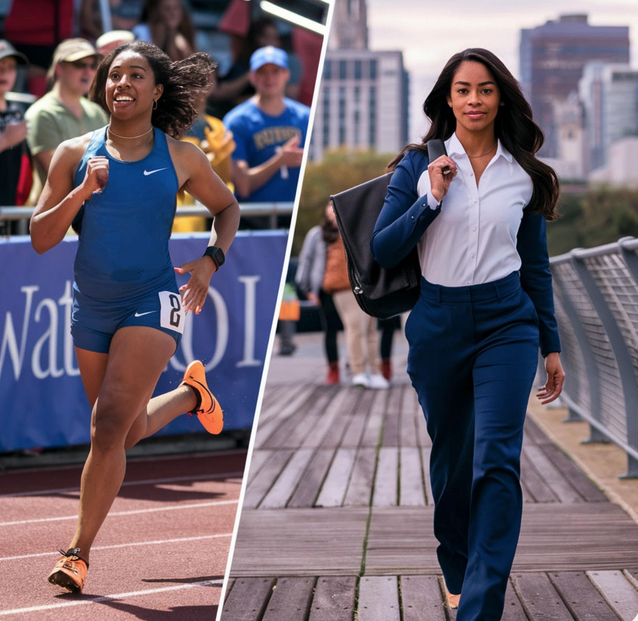
Like many student-athletes, he has the skills, but lacks the structured support to translate them.
These experiences reflect a broader structural pattern. Research on student-athlete time demands have found that athletes often spend 30 to 40 or more hours per week on their sport, limiting access to internships, networking, and other high-impact experiences tied to employment.
At the same time, a strong athletic identity can delay career exploration until eligibility ends, making the transition feel abrupt and destabilizing.
This is not a motivation problem. It is a structural one.
Institutional systems compound these challenges. Career readiness support for student-athletes is inconsistent across institutions, and even where resources exist, they are often not designed around the realities of athletic schedules.
At the same time, financial barriers and limited exposure to professional environments mean that even well-advised student-athletes may lack the attire, access, and confidence to show up fully prepared in interviews and employer-facing settings.
At scale, this is not just a student-athlete issue, it is a workforce issue. We are under-leveraging a population trained in leadership, discipline, and performance.

THE SOLUTION
Solutions do exist to help close this gap. Programs like MyCareerCloset provide accessible, athlete-aligned support, offering professional attire and guidance that fit the demands of student-athlete schedules and support key transition moments such as internships, interviews, NIL opportunities, and job searches.
For athletic departments, these types of solutions can strengthen existing career readiness efforts while removing barriers to access, confidence, and preparation. But no single program can solve this alone. Meaningful change will require a broader shift in how institutions prioritize and design career readiness for student-athletes.
If we are willing to invest heavily in developing athletes on the field, we should be equally committed to preparing them for life beyond it. The transition out of sport should not be where support ends, it should be where it begins.
About the Author
Bailey Garbee is a former Division I basketball player at American University and a current graduate student of marketing. She works with MyCareerCloset on initiatives focused on student-athlete career readiness and workforce transition.
Contributors
Madison Doring is a former Division I basketball player at American University and a member of the team at MyCareerCloset, where she supports initiatives focused on student-athlete career readiness and workforce transition.
Logan Childs is a current football player at the University of Mary Hardin–Baylor and works with MyCareerCloset on efforts supporting student-athlete career readiness and transition to the workforce.